
Article
Radiator Coolant
Even if it looks clean, your coolant still might need replacing! Ask SNJ Tyres and Mechanical to report on the condition of your coolant to identify issues before they become major problems.
Read moreCar engine cooling system failures rank among the top three causes of roadside breakdowns in Australia, with radiator failures accounting for a large percentage of these.
A fully functional radiator and cooling system is essential in preventing overheating, which can cause expensive breakdowns and may result in serious engine damage. Modern engines also operate more efficiently within specific temperature ranges.
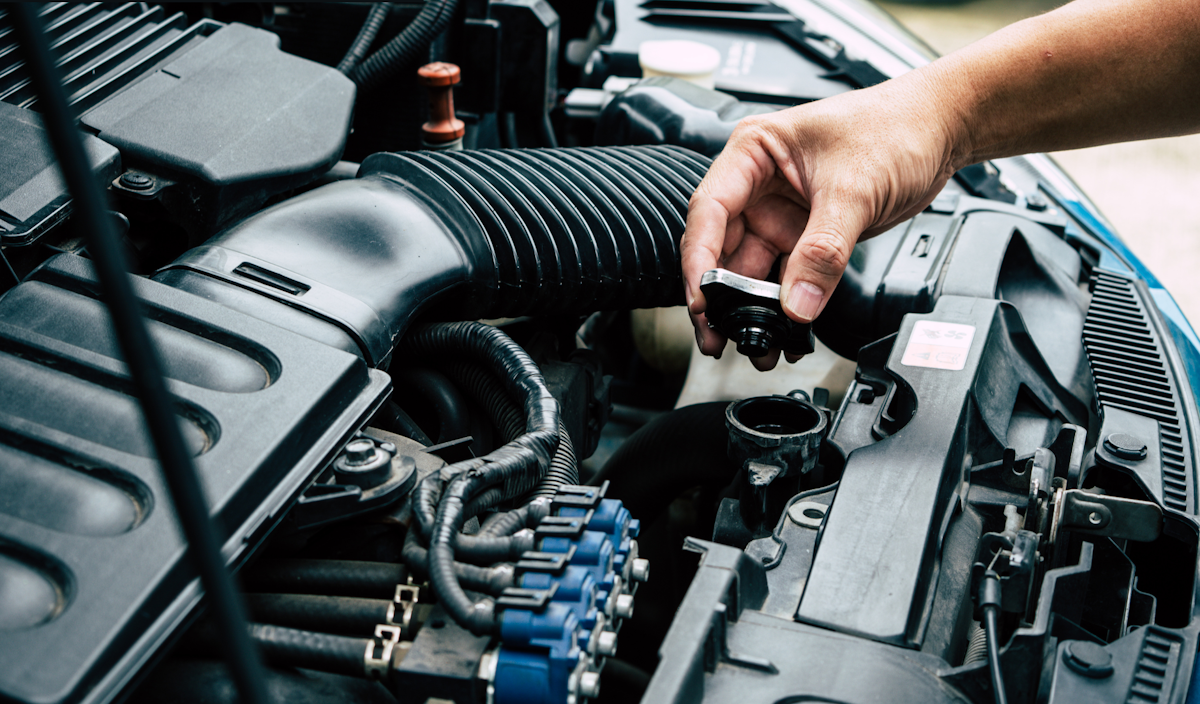
Not all cooling system failures are explosive in nature; in most cases it's a slow process that may start with you noticing puddles under the car or having to top off the coolant level regularly. These are often signs your radiator may be leaking.
The temperature gauge may indicate a high coolant temperature in slow traffic but returns to normal during high speed driving. In some cases, you may notice a sweetish, “hot water” smell coming from the engine, or even notice actual steam coming from under the bonnet. All these symptoms are serious and should not be ignored.
SNJ Tyres and Mechanical in Southport can perform a range of radiator repairs on most vehicles, including:
All Repco Authorised Service centres employ highly trained technicians who are qualified to spot and correct problems which not only affect radiators, but all parts and components of modern engine cooling systems.
When you have your cooling system inspected at a Repco Authorised Service centre, you gain the peace of mind that comes with knowing your vehicle's cooling system is up to the task of keeping your engine running at optimal temperatures.
Below are some commonly asked questions about radiators and cooling systems.
What causes a radiator to fail?
Radiators typically fail due to internal corrosion, age-related wear, or physical damage. Over time, coolant breaks down and becomes acidic, which eats away at the metal inside the radiator. Blockages from rust or debris can restrict flow, causing overheating. External factors like stone damage, vibration, or cracked plastic tanks can also lead to leaks and failure.
What is stray current?
Stray current (also known as electrolysis) is an electrical issue where unwanted voltage travels through the coolant. This can occur due to poor grounding or faulty electrical components. The electrical current attacks metal parts inside the cooling system, leading to rapid corrosion and premature radiator, heater core, or water pump failure.
Why is my car’s coolant milky?
Milky coolant is usually a sign of oil contamination. This often indicates a serious issue such as a blown head gasket, cracked cylinder head, or engine oil cooler failure. When oil and coolant mix, it reduces the cooling system’s effectiveness and can lead to severe engine damage if not addressed quickly.
Why are there black flecks in the coolant?
Black flecks in coolant are typically caused by deteriorating rubber components, such as hoses or seals, or internal breakdown of gaskets. In some cases, it can also be a sign of oil contamination or sludge forming in the system. These particles can clog passages and reduce cooling efficiency.
What happens if I don’t replace my leaking radiator?
Ignoring a leaking radiator can quickly lead to engine overheating. Low coolant levels reduce the system’s ability to regulate temperature, which can result in warped cylinder heads, blown head gaskets, or even complete engine failure. What starts as a small leak can become a very costly repair.
What is a radiator flush and do I need one?
A radiator flush involves draining old coolant, cleaning out contaminants, and refilling the system with fresh coolant. It helps remove rust, scale and sludge that build up over time. Most manufacturers recommend a flush every 2–5 years, depending on the vehicle and coolant type. If your coolant looks dirty, discoloured or hasn’t been changed in years, a flush is definitely needed.
How do I check my car’s cooling system?
Start by checking the coolant level in the overflow reservoir (when the engine is cold). Look for signs of leaks under the vehicle, around hoses and at the radiator. Inspect hoses for cracks or swelling and check that the coolant is clean and at the correct level. Also monitor your temperature gauge while driving—any overheating or fluctuations should be inspected by a professional. A pressure test by SNJ Tyres and Mechanical can identify hidden leaks or weak components.
Book in your car for a radiator repair or replacement or contact us for a quote today.

Even if it looks clean, your coolant still might need replacing! Ask SNJ Tyres and Mechanical to report on the condition of your coolant to identify issues before they become major problems.
Read more
As a Repco Authorised Service centre, SNJ Tyres and Mechanical use quality parts and lubricants and employ state of the art diagnostic equipment and repair methods.
Read more
SNJ Tyres and Mechanical automotive workshop conveniently located in Southport offer Log Book and Full car servicing to a wide range of vehicle makes and models. Specialising in Diesel servicing and Tyres.
Read more